
Airline Mental Health Crisis: What's Really Happening to Passengers and Pilots at 35,000 Feet
Mental health emergencies now account for 3% of all in-flight medical crises. Pilots face a hidden epidemic of depression they dare not report. Here's the full picture — and what it means.
When you board a commercial flight, you are entering a carefully controlled environment designed to manage one variable above all others: physical safety. The cabin pressure is monitored, the exits are mapped, the crew is trained in CPR. What is far less managed — and far less discussed — is what happens when a passenger's mental state deteriorates at altitude, or when the person in the cockpit is quietly battling a condition they have been trained, incentivized, and in some ways legally coerced to hide.
Commercial aviation is one of the safest forms of travel in human history. But that statistical safety coexists with a psychological environment that is uniquely stressful — for passengers and for the professionals who fly them. According to research published in the Psychiatric Bulletin, JAMA Network Open, and peer-reviewed aviation safety journals, mental health crises at altitude are more common than the industry acknowledges — and the systemic barriers preventing both passengers and pilots from getting the help they need are real, documented, and urgent.
This article draws on the most comprehensive research available to explain what's happening, why it's happening, and — for both frequent flyers and aviation professionals — what to do about it.
Part I: The Passenger Mental Health Crisis in the Cabin
How Common Are In-Flight Mental Health Emergencies?
Mental health crises account for approximately 3% of all in-flight medical emergencies on commercial flights, according to research published in Psychiatric Bulletin. That figure may seem modest — until you consider the scale. A landmark 2025 study published in JAMA Network Open, led by Duke Health researchers and based on analysis of over 77,000 in-flight medical events across 84 airlines, found that one in every 212 flights involves a medical emergency of some kind. With nearly 5 billion passengers projected to fly in 2025, that translates to tens of thousands of mental health incidents annually in the air.
The vast majority — around 90% — of in-flight psychiatric emergencies involve anxiety states, according to the Psychiatric Bulletin research. In the remaining 10%, presentations include acute depression, psychotic episodes, and personality disorder-related crises. Importantly, the onset of anxiety episodes typically begins before boarding and continues throughout the flight, with incidents reported more frequently on longer flights.
"Flying has become less comfortable — passenger advocacy groups note that only about 20% of the U.S. population can fit comfortably in most cabin seats. The physical environment itself is a psychological stressor before the flight has even left the gate."
— MDLinx, summarizing Current Psychiatry research
What Triggers Mental Health Crises in the Air?
The cabin environment creates a unique convergence of psychological stressors that can precipitate crises in vulnerable passengers — and destabilize passengers who arrived at the gate with no history of mental health concerns. The triggers fall into several overlapping categories:
- Cramped cabins and compromised personal space
- Reduced oxygen at altitude (cabin pressure equivalent to 6,000–8,000 feet)
- Sustained noise and vibration
- Temperature fluctuations and dehydration
- Disrupted circadian rhythms and jet lag on long-haul flights
- Sleep deprivation before or during flight
- Loss of control — the most commonly cited psychological stressor in air travel
- Claustrophobia and agoraphobia triggered by the confined space
- Pre-existing anxiety disorders amplified by altitude
- Fear of turbulence or catastrophic accident
- Social isolation on long flights
- Flight delays amplifying frustration and helplessness
Self-medication is a significant amplifying factor. Research notes that approximately 20% of anxious flyers resort to alcohol or anxiolytic medications to manage distress — a strategy that, while temporarily reducing subjective anxiety, can paradoxically disinhibit behavior, worsen existing symptoms, and interact dangerously with reduced oxygen levels at altitude. Alcohol is processed approximately twice as fast in the low-pressure cabin environment, making intoxication faster and more severe than at sea level.

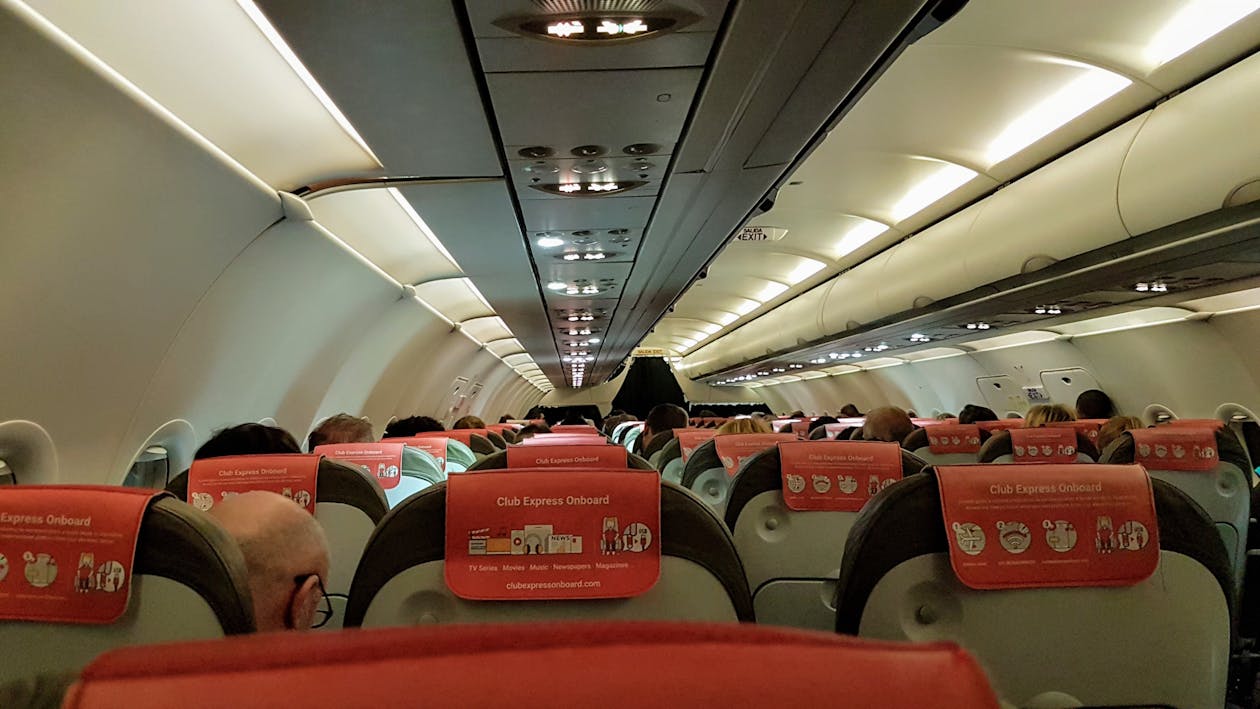
The aircraft cabin creates a unique convergence of physical and psychological stressors — reduced oxygen, cramped space, noise, loss of control — that can trigger or intensify mental health episodes in vulnerable passengers.
Fear of Flying: America's Most Common Hidden Phobia
Fear of flying — formally classified as aviophobia or aerophobia and categorized under situational-specific phobias in the DSM-5 — affects a substantial portion of the flying public. Estimates of prevalence vary widely, from a conservative clinical rate of roughly 2.5% to a broad self-reported rate of up to 40%, depending on the stringency of diagnostic criteria used. A 2025 YouGov survey found that 49% of American air travelers reported some degree of nervousness about flying, with 18% describing themselves as genuinely "afraid."
Around 25 million Americans experience meaningful flight anxiety. Approximately 10% of the general population avoids flying entirely due to severe fear. The economic, professional, and personal costs are substantial: missed reunions, derailed career opportunities, and severely constrained travel options.
Aviophobia is not a monolithic condition. Clinical psychologists generally identify three distinct subtypes:
- Crash and danger fear — primarily fear of a catastrophic accident or terrorist event
- Claustrophobic fear — fear of confinement, inability to escape, and loss of personal space
- Panic disorder — fear not of the plane itself, but of experiencing a panic attack while trapped onboard
Making the correct diagnosis matters, because treatment approaches differ. The good news: aviophobia is highly treatable. The American Psychological Association reports that leading treatment programs — including cognitive behavioral therapy (CBT), exposure therapy, and virtual reality exposure therapy (VRET) — achieve success rates of up to 90%, with many patients completing a post-treatment flight and remaining able to fly a year later.
"Many people 'endure' — they might use alcohol, medication, or prayer to white-knuckle their way through the flight. These strategies don't treat the underlying condition and often reinforce avoidance over time."
— Dr. Stephanie Cherestal, PhD, Weill Cornell Medicine, as quoted by the APA Monitor on Psychology, 2025
Rising Passenger Disruptions and the Social Media Effect
Airlines reported 2,102 unruly passenger incidents in 2024 — a persistent problem that, while declining from a pandemic-era peak, remains significantly elevated. The International Air Transport Association (IATA) data shows that intoxication is involved in approximately 12% of cases, while mental health crises, travel stress, flight delays, and interpersonal conflicts account for the remainder. The FAA implemented a permanent Zero-Tolerance Policy against unruly passengers in 2022, with violations carrying potential federal charges and fines up to $250,000.
A particularly concerning trend is the role of social media in both documenting and potentially amplifying these incidents. Videos of mid-air mental health episodes — passengers experiencing panic attacks, dissociative episodes, or acute psychosis — have been filmed by fellow passengers, uploaded to platforms like TikTok and Instagram, and in some cases meme-ified as entertainment. Mental health professionals have raised significant concerns about this dynamic, noting that the viral framing of these episodes may contribute to stigma, deter affected individuals from seeking help, and potentially normalize or even influence copycat behaviors through social contagion effects.
Part II: The Silent Crisis in the Cockpit
The pilots responsible for safely delivering hundreds of passengers are themselves subject to significant mental health pressures — pressures compounded by a regulatory and cultural environment that has long discouraged disclosure and treatment. The consequences of this suppression range from individual suffering to catastrophic safety failures.
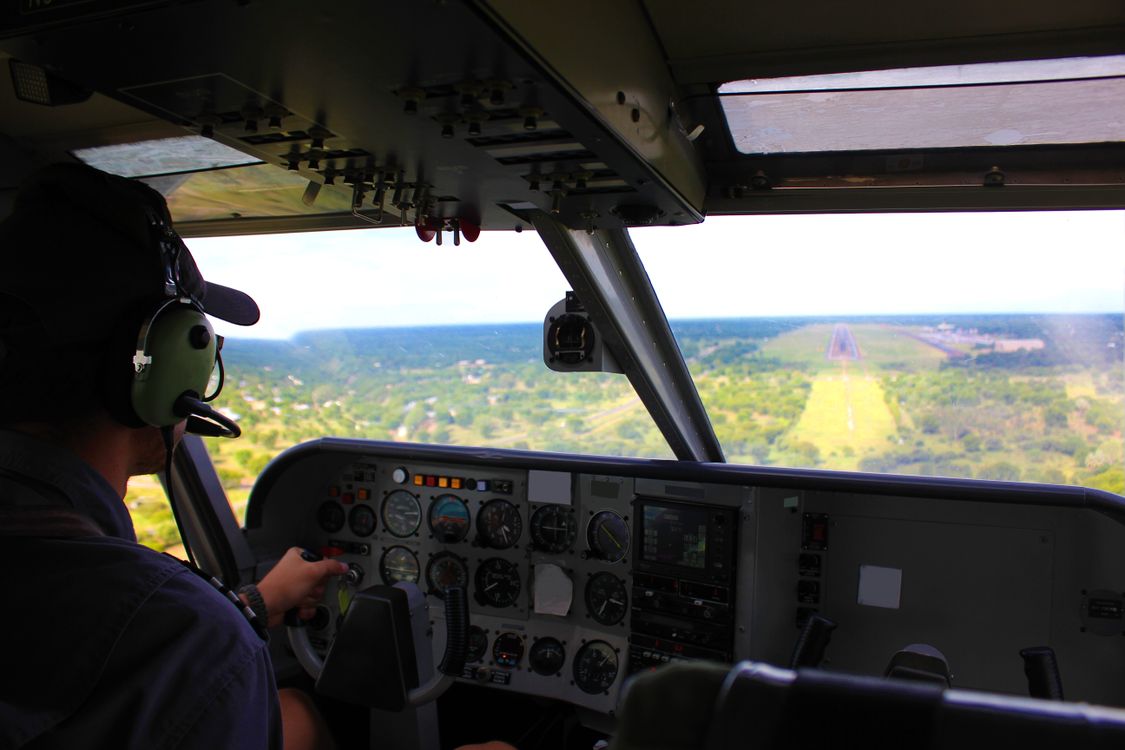
The cockpit projects an image of control and competence. But anonymous surveys reveal that roughly 1 in 8 commercial airline pilots meets clinical criteria for depression — a rate that matches or exceeds the general population, and that is systematically underreported due to career fears.
The Depression Numbers
The most comprehensive peer-reviewed data on pilot mental health comes from a landmark anonymous web-based survey of commercial airline pilots, published in Environmental Health. Because the survey was anonymous — unlike FAA-regulated medical examinations where disclosure carries career risk — it captured data that typical health assessments systematically miss. Key findings:
- 12.6% of pilots met the clinical threshold for depression (PHQ-9 score ≥ 10)
- 4.1% reported suicidal thoughts within the past two weeks
- Female pilots reported higher rates of depression than male pilots, mirroring general population patterns
- Use of sleep aid medications — reflecting the demands of shift work and circadian disruption — was independently associated with higher depression rates
- Pilots who had experienced verbal or sexual harassment showed significantly elevated depression prevalence
A systematic review in Frontiers in Psychiatry, conducted after the 2015 Germanwings disaster, found depression prevalence among commercial airline pilots ranging from 1.9% to 12.6% across 20 studies — noting that lower figures almost certainly reflect underreporting due to fear of career consequences. The American Academy of Psychiatry and the Law has cited evidence suggesting pilots may experience up to double the one-year prevalence of depression compared to the general U.S. adult population when assessed anonymously.
Why Pilots Don't Seek Help: A System Designed Against Disclosure
The FAA's own 2024 Mental Health and Aviation Medical Clearances Aviation Rulemaking Committee Report explicitly identifies the barriers preventing pilots from seeking care:
When the System Fails: The Germanwings Tragedy
The most devastating consequence of unaddressed pilot mental illness occurred on March 24, 2015, when Germanwings Flight 9525 crashed into the French Alps, killing all 150 people aboard. The official investigation concluded the crash was a deliberate act by First Officer Andreas Lubitz, who had been suffering from a severe psychotic depressive episode since at least 2014. His private physician had declared him unfit to work and recommended psychiatric hospitalization. Lubitz concealed this information from his employer and reported for duty.
The Germanwings disaster exposed with lethal clarity what decades of research had already indicated: a system that penalizes disclosure does not produce safe silence — it produces hidden illness. In response, regulatory bodies across Europe and the United States accelerated reviews of mental health policies. But progress has been uneven. The U.S. Department of Transportation's Inspector General report concluded that FAA's ability to mitigate safety risks "is limited by pilots' reluctance to disclose mental health conditions" — a limitation driven entirely by fear of professional consequences.
"Airline pilots shouldn't have to choose between seeking the help they need and the career they love."
— Capt. Jason Ambrosi, Delta Air Lines, as quoted by the Air Line Pilots Association (ALPA)The Industry Response: What's Changing
The aviation industry and its regulators have moved — sometimes faster, sometimes slower than advocates would like — toward more supportive, non-punitive frameworks for pilot and passenger mental health. Key developments as of 2025–2026:
Mental Health ARC Report (2024)
The FAA's 2024 Aviation Rulemaking Committee delivered 24 specific recommendations including confidential reporting pathways, cultural transformation programs, and updated antidepressant protocols. The Mental Health in Aviation Act, passed by the House in September 2025, would require the FAA to implement these recommendations within two years.
Pilot Peer Support Programs
The Air Line Pilots Association's (ALPA) Pilot Assistance Network and similar peer-to-peer programs allow pilots to consult confidentially with trained colleague volunteers. Research confirms that pilots are more willing to engage with peer support than formal clinical channels — making these programs a critical first point of contact.
Expanded Mental Health Education
Multiple regulators and airlines are implementing mental health literacy training for pilots, crew, and AMEs — including education on how to recognize distress in colleagues and access available resources without triggering formal certification processes.
Antidepressant Protocol Expansion
The FAA has expanded its approved SSRI program and is working to reduce the frequency of cognitive testing required for pilots using antidepressants, lowering one of the most significant administrative barriers to seeking treatment.
Crew Mental Health Training
Airlines are increasingly incorporating mental health first aid into cabin crew training — teaching flight attendants to recognize early signs of panic disorders, dissociative episodes, and acute distress, and to respond with de-escalation techniques before situations reach crisis level.
FAA Unruly Passenger Policy
The FAA's permanent Zero-Tolerance Policy for unruly passengers creates legal accountability while airlines simultaneously develop protocols to distinguish between criminal intent and genuine mental health crises requiring care rather than prosecution.
What This Means for Passengers, Families, and Patients
For Aviation Professionals: Warning Signs You Shouldn't Ignore
- Persistent low mood or loss of pleasure that doesn't resolve after rest or time off
- Increased irritability or emotional reactivity — particularly in the cockpit, where emotional regulation is safety-critical
- Sleep disturbances beyond normal schedule disruption — including chronic insomnia or hypersomnia
- Cognitive difficulties — concentration problems, memory lapses, or decision-making struggles
- Increasing alcohol use as a coping mechanism for stress or sleep problems
- Social withdrawal from colleagues, family, or the activities that previously provided meaning
- Any thoughts of self-harm or suicide — including passive wishes not to wake up
ALPA's Pilot Assistance Network and similar peer programs offer confidential first-contact support. A telehealth evaluation with a psychiatrist experienced in occupational mental health can occur outside the FAA certification process and is protected by standard physician-patient confidentiality.
You Don't Have to White-Knuckle It
Whether it's flight anxiety, untreated depression, or a mental health condition affecting your work or travel — our board-certified psychiatrists provide comprehensive evaluation and evidence-based treatment via secure telehealth from anywhere on the East Coast.
Book Your AppointmentMost major insurance plans accepted | Same-week appointments available | Crisis: call or text 988
Sources & Further Reading
- Alves PM, et al. In-Flight Medical Events on Commercial Airline Flights. JAMA Netw Open. 2025. pmc.ncbi.nlm.nih.gov
- Air travel by passengers with mental disorder. Psychiatric Bulletin. Cambridge University Press. cambridge.org
- Wu AC, et al. Airplane pilot mental health and suicidal thoughts: a cross-sectional descriptive study. Environmental Health. 2016. springer.com
- Stokes PR, et al. Reflecting on the Germanwings Disaster: A Systematic Review of Depression and Suicide in Commercial Airline Pilots. Front. Psychiatry. 2018. pmc.ncbi.nlm.nih.gov
- Cross et al. Understanding Pilots' Perceptions of Mental Health Issues. Cureus. 2024. pmc.ncbi.nlm.nih.gov
- FAA Mental Health and Aviation Medical Clearances Aviation Rulemaking Committee Report. April 2024. faa.gov
- DOT OIG. FAA Pilot Mental Health Final Report. July 2023. oig.dot.gov
- Air Line Pilots Association (ALPA). Pilot Mental Health. alpa.org
- APA Monitor on Psychology. Aviation incidents amplify fear of flying, but therapy helps. September 2025. apa.org
- Fear of flying. Wikipedia. en.wikipedia.org
- Germanwings Flight 9525. Wikipedia. en.wikipedia.org
- MDLinx. Air travel can trigger mental health issues. mdlinx.com
- IATA. Unruly passenger statistics 2024. Via aviation-accidents.net. aviation-accidents.net