

PTSD: What It Is, What Causes It, and What Actually Helps
From combat and car accidents to assault and disaster, PTSD touches millions of lives. Here's what the science says about how trauma reshapes the brain — and how to reclaim it.
Post-traumatic stress disorder does not discriminate. It affects soldiers who have endured combat in Fallujah and Kandahar. It affects the driver who T-boned an intersection at 45 miles per hour. It affects the nurse who worked a hospital ICU during COVID-19. It affects the woman whose trust was violated by someone she knew. It affects the child who watched a wildfire consume their neighborhood. And it affects many of them long after the crisis has passed — sometimes years later, sometimes without warning.
PTSD is one of the most misunderstood conditions in psychiatry. It is frequently conflated with weakness, or confused with ordinary sadness and stress, or dismissed as something only veterans experience. None of that is accurate. PTSD is a well-defined neurobiological condition — a disorder in which the brain's threat-response system becomes dysregulated in the aftermath of overwhelming experience. It is also, importantly, one of the most treatable psychiatric diagnoses we have.
This article explains what PTSD is, how it develops, what it looks like across different populations and trauma types, and what the current evidence says about the treatments that work.
What PTSD Actually Is — and Isn't
PTSD is classified as a trauma- and stressor-related disorder in the DSM-5. It develops in some people following exposure to actual or threatened death, serious injury, or sexual violence — either directly experienced, witnessed, or learned about in the case of close family or friends. The defining feature is not just that a person experienced something terrible. It is that their nervous system did not complete the natural process of integrating that experience and returning to baseline.
The brain has evolved sophisticated mechanisms for processing and storing threatening experiences. In most people, these mechanisms eventually restore equilibrium — the event becomes a distressing memory, but one that no longer commands the full physiological alarm response every time it surfaces. In PTSD, that process is disrupted. The traumatic memory remains activated in a way that makes it feel present rather than past. The brain's alarm system — centered on the amygdala — keeps firing as though the threat is ongoing, even when the person is sitting safely in their own home years later.
An important distinction: Not everyone who experiences trauma develops PTSD. Roughly 70% of U.S. adults experience at least one traumatic event in their lifetime, but an estimated 20% of those go on to develop PTSD. The difference is shaped by factors including the severity and duration of the trauma, prior trauma history, the presence of support afterward, genetic vulnerabilities, and how the brain processes the experience in the immediate aftermath.
Complex PTSD (C-PTSD)
The ICD-11 recognizes a distinct category called complex PTSD, which develops following prolonged, repeated trauma from which escape was difficult or impossible — such as childhood abuse, domestic violence, human trafficking, or prolonged captivity. C-PTSD adds pervasive disturbances in self-concept, emotional regulation, and relational functioning. People with C-PTSD often do not fit the stereotypical PTSD picture and are frequently misdiagnosed with depression, borderline personality disorder, or bipolar disorder before receiving an accurate diagnosis.
What Causes PTSD: The Full Spectrum of Traumatic Events
The word "trauma" comes from the Greek for wound. In the psychiatric sense, it refers to any experience that overwhelms the individual's capacity to cope — not a category of objective severity, but a subjective threshold that varies from person to person and moment to moment. What follows is a breakdown of the most significant and studied traumatic event categories.
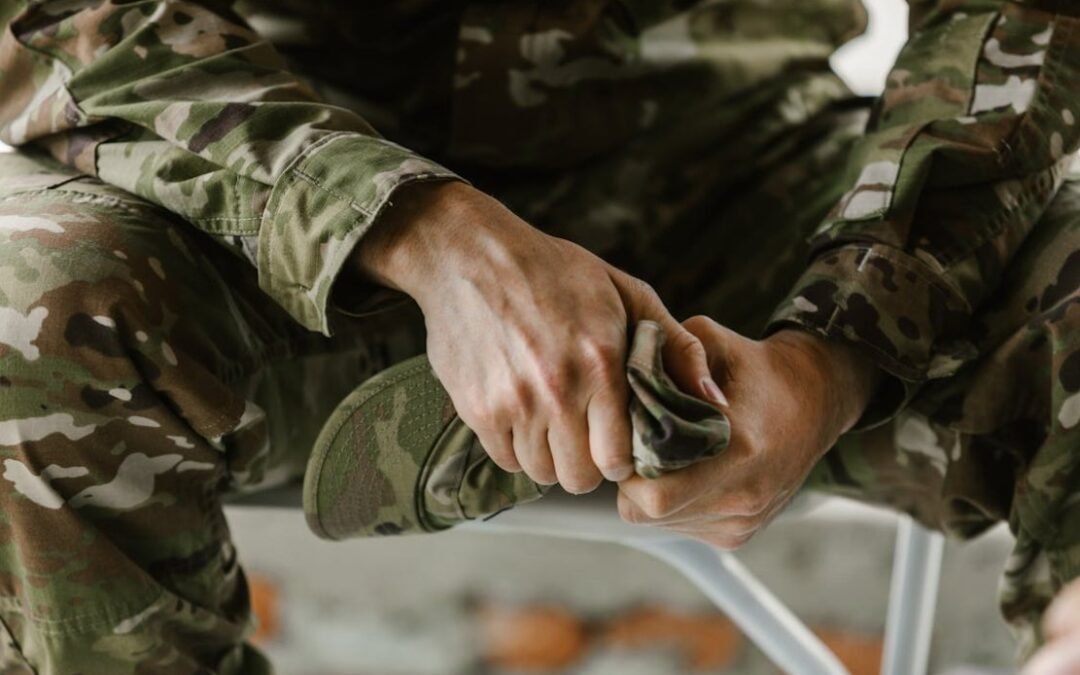
Military combat is among the most heavily researched PTSD contexts. Approximately 29% of living U.S. veterans who served in Iraq or Afghanistan have had PTSD, according to the VA's National Center for PTSD. Among all living veterans, 7% will experience PTSD at some point in their lives — a figure that climbs to 14% of men and 24% of women among the 5.8 million veterans served by the VA in fiscal year 2024. Combat-related PTSD often involves repeated exposure across deployment cycles, moral injury from participation in harm, and the abrupt transition back to civilian life.
Motor vehicle accidents are among the most common single causes of PTSD in the general population. Studies estimate that 25–33% of serious accident survivors develop PTSD, with symptoms often centering on avoidance of driving or travel, hypervigilance on roads, and intrusive replays of the crash moment. Survivors of aviation accidents, train accidents, and maritime disasters are similarly affected. The sudden, unpredictable nature of transportation accidents — and the associated physical injury and medical trauma — creates a particularly potent environment for its development.
Sexual assault carries the highest PTSD rates of any single trauma type. Research consistently finds that 45–65% of sexual assault survivors develop PTSD — a rate far exceeding other trauma categories. Physical assault, intimate partner violence, and childhood sexual abuse produce similarly elevated rates. For survivors of interpersonal trauma, the PTSD is compounded by betrayal, shame, and the complex aftermath of reporting, legal processes, and relational rupture.
Earthquakes, hurricanes, wildfires, and floods produce PTSD in a significant proportion of survivors and first responders. Studies of Hurricane Katrina survivors found PTSD rates of 30–40% in the months following the disaster. The combination of threat to life, displacement, loss of property, community destruction, and ongoing uncertainty about future risk makes natural disaster a potent PTSD trigger — particularly in communities where rebuilding is slow or inadequate.
Serious illness, ICU stays, emergency surgery, cardiac events, and cancer diagnoses can all produce PTSD. Medical trauma is among the most under-recognized categories — patients often receive no screening for psychological sequelae following life-threatening medical events. Studies find PTSD in 12–25% of ICU survivors and in roughly 18% of people who have experienced a heart attack. The COVID-19 pandemic produced significant rates of PTSD among both ICU survivors and frontline healthcare workers.
Childhood abuse, neglect, domestic violence exposure, parental loss, and household dysfunction are among the most powerful predictors of PTSD in adulthood. The Adverse Childhood Experiences (ACE) study demonstrated dose-response relationships between childhood trauma exposure and lifetime PTSD risk. Childhood trauma is uniquely damaging because it occurs during critical periods of brain development — shaping the threat-response architecture that the adult nervous system inherits.
Survivors of mass shootings, terrorist attacks, and acts of community violence show PTSD rates of 30–50%. The psychological impact extends beyond direct victims to witnesses, bystanders, first responders, and community members who were not present but live with ongoing safety threats. Repeated exposure to news coverage and social media content about violent events has also been documented as a contributor to PTSD-like symptoms in individuals who were not physically present.
First responders — firefighters, police officers, paramedics, emergency dispatchers — face cumulative, repeated trauma exposure across careers spanning decades. Research finds lifetime PTSD prevalence of 15–20% among first responders. Journalists covering conflict, medical workers in high-acuity settings, and child protective service workers are other high-exposure occupational groups whose PTSD risk has historically been underestimated and under-addressed.
Recognizing PTSD: The Four Symptom Clusters
The DSM-5 organizes PTSD symptoms into four clusters, all of which must be present for a diagnosis. What matters clinically is not just the presence of these symptoms but their persistence — lasting more than one month — and their impact on daily functioning.
1. Re-experiencing (Intrusion)
- Flashbacks — reliving the trauma as if it were happening now
- Recurrent, distressing nightmares related to the trauma
- Intrusive memories arriving without warning
- Intense psychological distress when reminded of the trauma
- Physical reactions to trauma reminders (racing heart, sweating, nausea)
2. Avoidance
- Avoiding thoughts, feelings, or conversations about the trauma
- Avoiding people, places, activities, or situations that are reminders
- Emotional numbing or detachment from others
- Narrowing of daily life to avoid potential triggers
- Inability to recall important aspects of the traumatic event
3. Negative Cognitions & Mood
- Persistent negative beliefs about oneself or the world ("I am broken," "Nowhere is safe")
- Distorted blame of self or others for the trauma
- Persistent negative emotions: shame, horror, guilt, anger
- Loss of interest in meaningful activities
- Feeling estranged or detached from others
- Inability to experience positive emotions
4. Hyperarousal & Reactivity
- Irritability or angry outbursts, sometimes with little provocation
- Reckless or self-destructive behavior
- Hypervigilance — constantly scanning for threat
- Exaggerated startle response
- Difficulty concentrating
- Sleep disturbances — difficulty falling or staying asleep
PTSD in veterans vs. civilians: The symptom picture often differs across populations. Veterans and first responders frequently present with hyperarousal symptoms — irritability, hypervigilance, sleep disturbance, and explosive anger — as the most prominent features. Survivors of interpersonal trauma often present with prominent shame, negative cognitions, and emotional numbing. Recognizing these variations matters for treatment planning.

PTSD often creates a profound sense of isolation — the feeling that no one can understand what happened, or that the person who existed before the trauma no longer exists. These experiences are clinical symptoms, not permanent states of being.
What PTSD Does to the Brain
Understanding PTSD requires understanding what trauma does at the neurobiological level. This isn't a metaphor or an abstraction — there are measurable, documented changes in brain structure and function in people with PTSD, which is part of why effective treatment must address biology as well as cognition and behavior.
Three regions are most consistently affected:
- The amygdala — the brain's threat-detection center — becomes hyperactive in PTSD, firing alarm responses to stimuli that are objectively non-threatening but share features with the original trauma. Loud sounds, certain smells, a facial expression, a specific time of day: any sensory element associated with the trauma can trigger a full physiological alarm cascade.
- The hippocampus — responsible for contextualizing memories in time and place — shows measurable reduction in volume in PTSD. This contributes to the characteristic quality of traumatic memories: they feel current rather than historical, present rather than past, because the brain region responsible for tagging memories as "over" is compromised.
- The prefrontal cortex — which provides top-down regulation of the amygdala — shows reduced activity in PTSD. This means the brain's capacity to say "it's okay, we're safe now" is diminished precisely when it's most needed.
This neurobiological picture explains why simply telling someone with PTSD to "move on" or "let it go" is not only unhelpful but neurologically uninformed. The prefrontal cortex — the seat of reason and voluntary control — is being overridden by an amygdala in a permanent state of red alert. The effective treatments for PTSD are effective precisely because they work with this architecture, not against it.
"PTSD is not a sign of weakness. It is a sign that you were human enough to be changed by what happened to you. The work of treatment is not to undo that change — it is to integrate it."
— Paraphrased from current trauma-informed care literatureTreatments That Actually Work: The Evidence in 2026
PTSD is one of the most researched conditions in psychiatry, and the treatment landscape has advanced substantially over the past two decades. The VA/DoD Clinical Practice Guideline — the standard reference for PTSD treatment — identifies several evidence-based psychotherapies as first-line interventions, with a growing role for pharmacological treatment and emerging modalities.
Prolonged Exposure (PE)
The gold standard for evidence volume. PE involves systematic, guided confrontation with trauma memories and reminders — gradually teaching the brain that these cues are not dangerous. Research across 265,566 veterans shows consistent, meaningful PCL score reductions. Typically 8–15 weekly sessions of 90 minutes each.
Cognitive Processing Therapy (CPT)
Focuses on identifying and challenging the distorted cognitions that maintain PTSD — particularly stuck points around self-blame, safety, trust, power, esteem, and intimacy. Research with veterans finds CPT and PE produce equivalent, clinically meaningful outcomes. Standard delivery is 12 sessions, with telehealth formats showing comparable efficacy.
EMDR Therapy
Eye Movement Desensitization and Reprocessing uses bilateral stimulation (eye movements, taps, or tones) while the patient briefly attends to traumatic memory. A 2024 meta-analysis across 15 RCTs confirmed EMDR equally effective to PE and CPT. 91% of EMDR completers were PTSD-free at follow-up vs. 72% with fluoxetine. EMDR ranked #1 for cost-effectiveness across 11 PTSD treatments in a 2025 systematic review.
Trauma-Focused CBT (TF-CBT)
Particularly well-validated for children and adolescents, but with strong evidence in adults as well. Combines trauma narrative with cognitive restructuring, coping skills, and — for young patients — caregiver involvement. Effect sizes consistently in the moderate-to-large range across dozens of controlled trials.
Medication (SSRIs/SNRIs)
Sertraline (Zoloft) and paroxetine (Paxil) are FDA-approved for PTSD. Venlafaxine (Effexor) is also commonly used. Medication is most effective as an adjunct to psychotherapy — particularly for sleep, hyperarousal, and depressive symptoms. Most research supports combined pharmacotherapy and therapy over either alone.
MDMA-Assisted Therapy
The most closely watched emerging treatment for treatment-resistant PTSD. Phase 3 trials showed 67–71% of participants no longer met PTSD criteria after treatment, compared to 32% in the placebo group. FDA review ongoing as of 2025. Not yet clinically available outside of clinical trials, but the trajectory of evidence is significant.
VNS + Exposure Therapy
Vagus nerve stimulation paired with exposure therapy accelerates fear extinction — the core mechanism of PE. FDA-cleared as an adjunct to exposure therapies. A 2025 study found significant symptom relief in treatment-resistant PTSD, with some patients remaining symptom-free at six months. Learn more about VNS and mental health →
Telehealth Delivery
CPT, PE, and EMDR have all been validated in telehealth formats with equivalent outcomes to in-person delivery. A 2025 multisite retrospective review confirmed EMDR effectiveness for veterans in both in-person and telehealth formats. Remote delivery removes barriers — particularly important for veterans in rural areas, survivors avoiding public spaces, and those with mobility limitations.
A Note on Treatment Duration and Dropout
PTSD treatment works — but it requires engagement with difficult material, and dropout is a meaningful challenge. Research finds dropout rates of 18–36% across trauma-focused therapies. This is why finding the right therapeutic relationship, the right modality for your specific experience, and the right delivery format matters. Telehealth has been shown to improve treatment retention in some populations by removing logistical barriers to attendance.

PE, CPT, and EMDR — the three first-line treatments for PTSD — have all been validated in telehealth delivery formats, producing outcomes equivalent to in-person care. For survivors who avoid public spaces, telehealth removes a critical barrier to treatment.
What Comes Alongside PTSD
PTSD rarely travels alone. The majority of people with PTSD have at least one co-occurring psychiatric condition, and failure to identify and treat these concurrently limits treatment response. The most common:
- Major depressive disorder — present in approximately 50% of people with PTSD. Shared biology (amygdala dysregulation, hippocampal changes), shared cognitive patterns (hopelessness, self-blame), and shared behavioral consequences (withdrawal, inactivity) make depression a near-constant companion to chronic PTSD.
- Anxiety disorders — panic disorder, generalized anxiety, and social anxiety disorder are all significantly more prevalent in people with PTSD than in the general population.
- Substance use disorders — alcohol and drug use disorders are present in 35–52% of people with PTSD, reflecting a well-documented pattern of self-medication. Trauma precedes substance use in the majority of cases, not the reverse.
- Sleep disorders — insomnia and nightmares are among the most consistent and distressing PTSD symptoms, creating a cycle where sleep deprivation worsens daytime hyperarousal and emotional dysregulation.
- Chronic pain — particularly in survivors of physical injuries, medical trauma, and military combat. PTSD and chronic pain share overlapping neural mechanisms and mutually reinforce each other.
- Traumatic brain injury (TBI) — a particular concern in military and accident populations. PTSD and TBI can be difficult to distinguish clinically; both may be present simultaneously and require coordinated treatment.
PTSD Across Populations: Who Is Most Affected
PTSD does not affect all groups equally. Understanding these disparities is clinically and socially important:
- Women experience PTSD at roughly twice the rate of men — a lifetime prevalence of 10–12% versus 5–6% for men. Women are more likely to experience interpersonal trauma, sexual violence, and childhood abuse, which carry higher PTSD rates than other trauma types. They are also more likely to blame themselves, which amplifies negative cognition symptoms.
- Veterans and active-duty military face elevated PTSD risk from combat, military sexual trauma, and the cultural stigma that discourages help-seeking. Veterans of Operation Iraqi Freedom and Enduring Freedom show particularly high rates — up to 29% in some studies.
- First responders accumulate trauma over years and careers, often without access to or utilization of mental health support. Peer culture that prizes stoicism frequently delays treatment until symptoms become severe.
- Communities of color face disproportionate exposure to traumatic events — including community violence, structural racism, police encounters, and poverty-related adversity — alongside greater barriers to accessing quality mental health care. Research suggests Black, Latino, and Indigenous populations are underserved in PTSD treatment relative to their rates of trauma exposure.
- Children and adolescents present PTSD differently than adults — with behavioral regression, acting out, separation anxiety, and school avoidance as common presentations, rather than the classic adult symptom picture. Child-specific trauma therapies (TF-CBT, EMDR adapted for youth) have strong evidence bases.
Warning Signs That Need Immediate Attention
- Thoughts of suicide or self-harm — PTSD significantly increases suicide risk; veterans with PTSD face a suicide rate more than double those without the condition
- Substance use escalating to manage PTSD symptoms (alcohol, opioids, or other substances to sleep, manage flashbacks, or numb emotions)
- Complete withdrawal from work, family, or social life
- Aggressive behavior putting yourself or others at risk
- Inability to perform basic self-care due to symptoms
If You Are in Crisis
Call or text 988 — Suicide & Crisis Lifeline, available 24/7.
Veterans Crisis Line: Dial 988, then press 1 — or text 838255.
Crisis Text Line: Text HOME to 741741.
If there is immediate danger, call 911 or go to your nearest emergency room.
You Don't Have to Carry This Alone
PTSD is treatable. Evidence-based care — delivered by board-certified psychiatrists via secure telehealth — is accessible from anywhere on the East Coast, often within the same week.
Book Your EvaluationMost major insurance plans accepted | Same-week appointments available | Crisis: call or text 988
Sources & Further Reading
- National Center for PTSD. How Common is PTSD in Veterans? VA.gov. 2024. ptsd.va.gov
- National Center for PTSD. Epidemiology and Impact of PTSD. VA.gov. 2024. ptsd.va.gov
- Mission Roll Call. Veteran PTSD Statistics and Challenges. 2025. missionrollcall.org
- Singlecare. PTSD statistics by age, trauma, and more. March 2026. singlecare.com
- PTSD prevalence: an umbrella review. PMC. 2024. pmc.ncbi.nlm.nih.gov
- Wright et al. EMDR vs. other psychotherapies: meta-analysis of 15 RCTs. Psychological Medicine. 2024. cambridge.org
- South Denver Therapy. EMDR Statistics 2026: Success Rates, Research & Effectiveness. southdenvertherapy.com
- Effectiveness of CPT and PE in Veterans. PMC / Psychological Medicine. 2023. pmc.ncbi.nlm.nih.gov
- Intensive PE + EMDR for adolescents and young adults. European Journal of Psychotraumatology. January 2025. tandfonline.com
- Zeam Health. Is EMDR Evidence-Based? What Research Says in 2025. zeamhealth.com
- VA Research. Posttraumatic Stress Disorder. research.va.gov