
Sleep apnea—a condition where your breathing repeatedly stops and starts during sleep—affects millions of people worldwide, yet remains vastly underdiagnosed. What makes this particularly concerning is that the mental health consequences of untreated sleep apnea can be severe, affecting everything from mood regulation to cognitive function.
At East Coast Telepsychiatry, we recognize that effective mental health care requires a comprehensive understanding of all contributing factors, including sleep disorders. This article explores the latest research on how sleep apnea links to mental health conditions and what you can do about it.
What the Research Shows About Sleep Apnea and Mental Health
The connection between sleep apnea and mental health is not speculative—it’s backed by rigorous scientific evidence. Recent studies have documented compelling links between this sleep disorder and various psychiatric conditions.

Harvard University study on Sleep Apnea and Mental Health: At East Coast Telepsychiatry, we understand that mental health recovery requires more than traditional therapy. Our online psychiatry services provide convenient, evidence-based support for individuals struggling with depression, anxiety, and cognitive symptoms related to sleep apnea. Through virtual mental health care, patients receive comprehensive evaluations from licensed online psychiatrists East Coast, ensuring access to high-quality treatment without travel barriers.
The Harvard Health Study (2026)
A significant study analyzed data from over 30,000 adults aged 45-85 and found that people at high risk for obstructive sleep apnea (OSA) had approximately 40% higher odds of having depression, mood disorders, or anxiety disorders compared to those without sleep apnea risk factors. This finding was consistent across both initial assessment and three-year follow-up evaluations.
The research defined high risk for sleep apnea as having two or more of these symptoms:
- Snoring
- Daytime sleepiness
- Witnessed apneas (someone observing you stop breathing)
- High blood pressure
Broader Mental Health Impacts
A comprehensive analysis published through the National Institutes of Health examined nearly 265,000 individuals and found even more dramatic associations. Compared to those without sleep apnea, individuals with sleep apnea showed:
- 3.11 times higher odds of depression
- 2.75 times higher odds of anxiety disorders
- 2.57 times higher odds of suicidal ideation
These aren’t minor correlations—they represent substantial increases in psychiatric risk. Most concerning is the finding that many sleep apnea patients with psychiatric symptoms remain unconnected to mental health services, creating a critical treatment gap.
The Prevalence Problem
Obstructive sleep apnea affects approximately 13% of men and 6% of women in the general adult population, yet it remains underdiagnosed. The overlap between sleep apnea symptoms and psychiatric symptoms—fatigue, irritability, cognitive problems—means many patients receive psychiatric diagnoses without ever having their sleep evaluated.
How Sleep Apnea Damages Mental Health: The Biological Mechanisms
Understanding why sleep apnea causes mental health problems requires examining what happens in your brain during repeated breathing disruptions.
Intermittent Hypoxia and Brain Damage
Each time your breathing stops during sleep apnea, your blood oxygen levels drop. This repeated oxygen deprivation—called intermittent hypoxia—triggers a cascade of damaging neurobiological processes:
- Cerebral Hypoperfusion: Reduced blood flow to the brain compromises oxygen delivery to brain cells
- Neuroinflammation: The brain’s inflammatory response to repeated hypoxia damages neuronal connections
- Endothelial Dysfunction: Blood vessel lining damage impairs the brain’s ability to regulate blood flow
Brain Structure Changes
Research using brain imaging has documented that sleep apnea causes white matter lesions, white matter integrity abnormalities, and gray matter loss. These structural changes are directly associated with:
- Depression onset
- Reduced cognitive vasomotor reactivity
- Impaired emotional processing
- Decreased mood regulation capacity
Sleep Fragmentation and Neurotransmitter Disruption
Beyond hypoxia, sleep apnea repeatedly awakens you throughout the night, preventing the restorative deep sleep your brain needs. This disruption interferes with the production and regulation of critical neurotransmitters:
- Serotonin: Low serotonin contributes to depression and anxiety
- Dopamine: Deficiency affects motivation, reward processing, and mood
- GABA: Insufficient GABA reduces anxiety-buffering capacity
- Norepinephrine: Dysregulation impairs arousal and emotional responses
This is why treating sleep apnea often improves mental health symptoms even when antidepressants alone haven’t been fully effective.
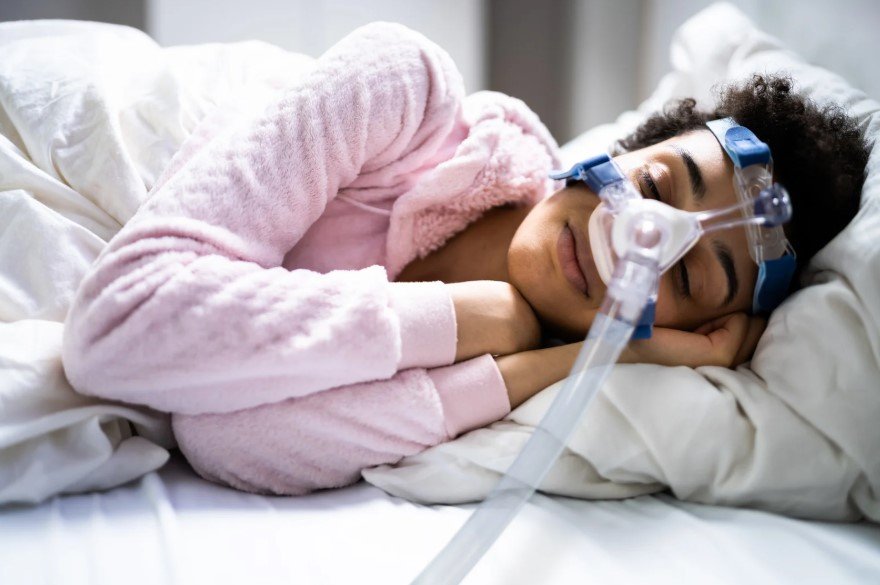
Whether you’re managing mood disorders, insomnia, or fatigue, our platform combines advanced telehealth psychiatric treatment with sleep disorder screening to uncover root causes that may have been overlooked in previous care. If you’ve been searching for affordable virtual psychiatry services near me, East Coast Telepsychiatry offers a compassionate and personalized solution. Our team integrates sleep health into every aspect of treatment, using telehealth psychiatric treatment to address the mind-body connection that drives emotional wellness.
Sleep Apnea and Depression: A Bidirectional Relationship
How Sleep Apnea Causes Depression
Depression in sleep apnea often presents differently than primary depression. Rather than sadness, sleep apnea-related depression frequently manifests as:
- Persistent fatigue and low energy
- Irritability and mood swings
- Loss of motivation
- Anhedonia (inability to feel pleasure)
- Cognitive complaints (difficulty concentrating, memory problems)
- Morning grogginess and inability to get out of bed
A meta-analysis reviewing 19 studies in the Journal of Clinical Psychiatry found that patients with obstructive sleep apnea had significantly higher risks of depression compared to those without the sleep disorder. Remarkably, this connection persists even in patients who don’t meet full criteria for moderate-to-severe sleep apnea.
The Vicious Cycle: Depression Worsens Sleep Apnea
The relationship between depression and sleep apnea is bidirectional. Depression itself disrupts sleep architecture, potentially worsening sleep apnea severity. Depressed individuals experience:
- Increased nighttime arousals
- Reduced REM sleep quality
- Difficulty maintaining sleep
This creates a negative feedback loop: sleep apnea causes depression, depression worsens sleep quality, which intensifies sleep apnea severity and deepens depression.
CPAP Treatment Reverses Depressive Symptoms
What’s particularly encouraging is that treating sleep apnea with continuous positive airway pressure (CPAP) can dramatically improve depression. Studies document that:
- In elderly patients with severe OSA: After just 3 months of CPAP therapy, depressive symptoms improved significantly (p < 0.001)
- In treatment-resistant depression: Of 20 patients with depression unresponsive to medication for over 6 months who also had sleep apnea, 85% were diagnosed with OSA. After 2 months of CPAP treatment, depression scores dropped by approximately 50%
- In compliant patients: Depression metrics dropped from 74.6% prevalence at baseline to just 3.9% after 3 months of CPAP treatment
These improvements occur even when patients continue their antidepressant medications, suggesting CPAP addresses depression through distinct biological mechanisms.
Anxiety Disorders and Sleep Apnea
Types of Anxiety Associated with Sleep Apnea
Sleep apnea is linked to multiple anxiety disorders, including:
- Generalized Anxiety Disorder (GAD): Persistent worry and physical tension
- Panic Disorder: Sudden fear and physical symptoms (interestingly, witnessed apneas can trigger panic-like episodes)
- Obsessive-Compulsive Disorder (OCD): Intrusive thoughts and compulsive behaviors
- Phobias: Including specific phobias that may be exacerbated by sleep deprivation
- PTSD: Sleep apnea can worsen trauma-related symptoms
The Mechanism Behind Sleep Apnea Anxiety
Anxiety from sleep apnea arises through multiple pathways:
1. Hyperactivation of the Amygdala: Sleep deprivation increases reactivity in the brain’s fear center, making you more prone to anxiety
2. Repeated Suffocation Experiences: Each apnea event is a micro-suffocation experience. Unconsciously, your nervous system registers these as threats, creating learned anxiety responses
3. Sympathetic Nervous System Dysregulation: Breathing interruptions activate your fight-or-flight system repeatedly, creating chronic hypervigilance
4. Nocturnal Panic Attacks: Some patients experience panic episodes upon waking from apnea events, creating anticipatory anxiety about sleep
Research Findings on Sleep Apnea and Anxiety
A 2024 study of Egyptian patients with OSA found that anxiety disorders were present in approximately 20% of sleep apnea patients. The most common anxiety presentations were:
- OCD (8.7%)
- GAD (6.5%)
- Panic Disorder (5%)
- PTSD (3.3%)
Notably, fatigue was the most prevalent presenting symptom in OSA patients with comorbid anxiety, suggesting many patients with sleep apnea-related anxiety receive anxiety treatment without addressing the underlying sleep disorder.
CPAP Treatment and Anxiety Reduction
As with depression, treating sleep apnea significantly reduces anxiety symptoms. Studies show that successful CPAP therapy improves anxiety outcomes similar to antianxiety medications, demonstrating the biological importance of treating the sleep disorder.
Cognitive Effects and Memory Loss
Beyond mood and anxiety disorders, sleep apnea damages cognitive function in ways that compound psychological distress.
Cognitive Domains Affected by Sleep Apnea
Research documents that sleep apnea impairs:
- Executive Function: Planning, decision-making, and impulse control
- Working Memory: Temporary information holding and manipulation
- Processing Speed: How quickly your brain processes information
- Attention and Concentration: Sustained focus on tasks
- Learning and Memory Consolidation: Forming and retaining new memories
Workplace and Daily Life Impact
These cognitive effects create significant functional impairment. Patients with sleep apnea often report:
- Difficulty concentrating at work
- Memory lapses and forgetfulness
- Impaired decision-making in complex situations
- Reduced productivity and performance ratings
- Difficulty managing complex responsibilities
- Irritability in cognitive demanding situations
This functional decline further contributes to depression and anxiety, as patients experience a sense of inadequacy and loss of capability.
The Dementia Connection
Emerging research suggests that untreated sleep apnea may increase dementia risk through the same mechanisms that cause depression—neuroinflammation, reduced cerebral blood flow, and structural brain changes.
This underscores the importance of early identification and treatment of sleep apnea, not only for current mental health symptoms but for long-term cognitive preservation.
Warning Signs You May Have Undiagnosed Sleep Apnea
Sleep apnea often goes undiagnosed because symptoms overlap with psychiatric conditions. If you experience multiple symptoms from both categories, sleep apnea should be evaluated:
Classic Sleep Apnea Symptoms
- Loud snoring (often reported by a bed partner)
- Witnessed breathing pauses during sleep
- Gasping or choking awake
- Excessive daytime sleepiness
- Morning headaches
- Nocturia (frequent nighttime urination)
- Sleep maintenance insomnia (frequent arousals)
- Restless sleep
Mental Health Symptoms That May Indicate Sleep Apnea
- Depression with prominent fatigue (more than sadness)
- Anxiety that worsens or begins at night
- Irritability and mood swings without clear triggers
- Panic attacks upon waking
- Cognitive complaints (memory, concentration)
- Treatment-resistant depression or anxiety
- Recent mood disorder onset in middle-age or later
Risk Factors for Sleep Apnea
- Overweight or obesity
- Age over 45
- Male gender (though women’s risk increases after menopause)
- Neck circumference >17 inches (men) or >16 inches (women)
- High blood pressure
- Family history of sleep apnea
- Anatomical factors (enlarged tonsils, deviated septum)
If you recognize multiple symptoms or risk factors, particularly combined with mental health symptoms that haven’t fully responded to treatment, sleep apnea evaluation is warranted.
Treatment Options and Mental Health Recovery
CPAP Therapy: The Gold Standard
Continuous Positive Airway Pressure (CPAP) therapy is the most common and effective treatment for obstructive sleep apnea. CPAP devices deliver pressurized air to keep your airway open during sleep.
Mental Health Benefits of CPAP Treatment
Beyond treating sleep apnea, CPAP therapy produces remarkable psychiatric improvements:
- Depression Resolution: Significant improvement in depressive symptoms within 2-3 months
- Anxiety Reduction: Decreased anxiety symptoms and improved emotional regulation
- Cognitive Restoration: Improved memory, concentration, and executive function
- Mood Stabilization: Reduced irritability and emotional lability
- Quality of Life Enhancement: Improved work performance and social functioning
Other Sleep Apnea Treatments
Depending on severity and patient preferences, other treatments may be appropriate:
- Oral Appliances: Dental devices that reposition the jaw to maintain airway patency
- Positional Therapy: Sleeping position modifications (particularly avoiding supine position)
- Lifestyle Modifications: Weight loss, exercise, avoiding alcohol and sedatives
- Nasal Devices: Nasal strips or external dilators for mild cases
- Surgical Options: For specific anatomical obstruction (varies by cause)
Integrating Sleep Apnea Treatment with Mental Health Care
For optimal outcomes, sleep apnea treatment should be integrated with psychiatric care:
- Coordinated Assessment: Mental health providers should screen for sleep apnea; sleep specialists should assess psychiatric comorbidity
- Combined Treatment Plans: CPAP therapy works alongside (not instead of) appropriate psychiatric medications or therapy when needed
- Ongoing Monitoring: Regular reassessment of mental health symptoms as sleep apnea treatment progresses
- Psychoeducation: Understanding the sleep-mental health connection improves treatment adherence and outcomes
Many patients find that CPAP therapy significantly improves mental health symptoms, sometimes allowing for reduced psychiatric medication dosages (always under medical supervision).

By working with licensed online psychiatrists East Coast, patients receive targeted care plans designed to improve mood stability, enhance sleep quality, and restore energy. With our online psychiatry services and virtual mental health care, you can achieve measurable improvements in both mental and physical health—without ever leaving home.
Next Steps: Getting Evaluated and Treated
Step 1: Comprehensive Sleep Apnea Screening
If you suspect sleep apnea based on symptoms or risk factors, start with a sleep medicine evaluation. Your healthcare provider can:
- Assess your symptoms and sleep history
- Perform a physical examination
- Order a sleep study (polysomnography) or home sleep apnea test
- Determine severity and appropriate treatment
Step 2: Mental Health Assessment
If you haven’t had a recent psychiatric evaluation, particularly if your mood or anxiety symptoms began or worsened in middle age or later, comprehensive mental health assessment is important. This includes:
- Detailed mood and anxiety screening
- Cognitive assessment
- Sleep history and sleep disorder screening
- Medication review (to ensure medications aren’t contributing to symptoms)
Step 3: Integrated Treatment Planning
Work with your healthcare team to develop an integrated plan that addresses both sleep apnea and mental health conditions. This may include:
- CPAP therapy initiation and optimization
- Psychiatric medication if appropriate
- Psychotherapy (particularly cognitive-behavioral therapy for insomnia and anxiety)
- Lifestyle modifications (weight management, exercise, sleep hygiene)
Getting Help at East Coast Telepsychiatry
At East Coast Telepsychiatry, we recognize the critical intersection between sleep disorders and mental health. Our providers:
- Screen all patients for sleep apnea and other sleep disorders during psychiatric evaluation
- Coordinate care with sleep medicine specialists when needed
- Provide telepsychiatry services for convenient mental health management
- Develop integrated treatment plans addressing both sleep and mental health
- Monitor treatment response and adjust interventions as needed
If you’re struggling with depression, anxiety, or other mental health symptoms, particularly if they haven’t fully responded to treatment, we encourage you to contact us for a comprehensive evaluation that includes assessment for sleep apnea.
Conclusion: The Importance of Integrated Assessment
Sleep apnea represents a treatable cause of depression, anxiety, and other mental health symptoms that is frequently overlooked in psychiatric practice. The evidence is clear: obstructive sleep apnea significantly increases the risk of affective disorders, and treating sleep apnea can dramatically improve mental health outcomes.
If you’re experiencing depression, anxiety, or other mental health symptoms—especially if they developed in middle age or later, or haven’t fully responded to psychiatric treatment—sleep apnea should be evaluated as a potential contributing factor.
The good news is that sleep apnea is highly treatable. CPAP therapy and other interventions can restore restorative sleep, repair damaged neurobiological processes, and enable recovery of mental health and cognitive function.
Don’t accept persistent mental health symptoms as permanent. A comprehensive evaluation that includes sleep disorder screening may reveal an unexpected but highly treatable cause—and the path to recovery.
Contact East Coast Telepsychiatry today to schedule an integrated mental health and sleep disorder assessment. Our providers are experienced in recognizing and treating the sleep-mental health connection, and we’re here to help you achieve better mental health through comprehensive, coordinated care.
Research Sources and References
- Harvard Health Publishing. (January 2026). “Sleep apnea linked to mental health conditions in middle and older age.” Accessed from: Harvard Health
- Kaufmann, C.N., et al. (2017). “Sleep apnea, psychopathology, and mental health care.” Sleep Health, PMC National Center for Biotechnology Information. Full Article
- Luyster, F.S., et al. (2017). “Obstructive Sleep Apnea is Linked to Depression and Cognitive Impairment: Evidence and Potential Mechanisms.” PMC National Center for Biotechnology Information. Full Article
- Chakravorty, S., et al. (2018). “Depression, Obstructive Sleep Apnea and Psychosocial Health.” PMC National Center for Biotechnology Information. Full Article
- Saberi, S., et al. (2014). “The correlation of anxiety and depression with obstructive sleep apnea syndrome.” Journal of Research in Medical Sciences, PMC National Center for Biotechnology Information. Full Article
- Hassan, L., et al. (2024). “Comorbidity of depression and anxiety with obstructive sleep apnea in a sample of Egyptian patients.” Middle East Current Psychiatry. Full Article
- Zhang, G., et al. (2025). “Depressive, anxiety, and sleep disturbance symptoms in patients with obstructive sleep apnea: a network analysis perspective.” BMC Psychiatry. Full Article
- Tai, Z., et al. (2023). “Association of sleep apnea and depressive symptoms among US adults: a cross-sectional study.” BMC Public Health. Full Article